The Blank Page

  • Make yourself at home

    I’ve had lots of emails this week from people saying they’re considering starting up a group, which I am THRILLED about!

    Some start up advice: I think it’s great when the kids feel that the club is ‘their’ club. It’s hard to freely express yourself if you don’t feel comfortable and in control. It’s like trying to relax in someone else’s house. So I think it’s lovely for kids to feel that the club is their ‘tribe’. It makes the members closer friends, and I know our group has become a safe space for some of them where they can be themselves in a way they don’t feel comfortable being in school, and that’s an incredible gift to give anyone.
    So here are some ways you can encourage the kids to take ownership of the group:

    Let them choose their own group name

    You can give them some examples to choose from and let them suggest their own. For inspiration, some famous writing groups and their famous members include:

    • The Bloomsbury Group (Woolf & Co)
    • The Dill Pickle Club (William Carlos Williams)
    • Stratford-on-Odeon (Hemingway, Joyce, Pound, Stein and Fitzgerald)
    • The Inklings (Tolkien and Lewis)
    • The February House (Auden, McCullers)
    • The Factory (Ginsberg and Bob Dylan)
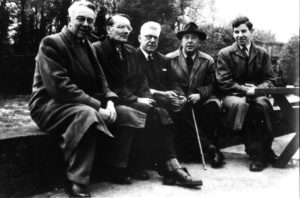
    The Inklings, hard at it. (Not a pen in sight!)

    Some suggestions I got online:

    • The Scribble Society
    • Masters of Text
    • Always Write
    • Plot Twists
    • Novice Narrators
    • From Left to Write
    • The Pencil Pack
    • Full of Words
    • Storytellers
    • Unblocked
    • Penning Pals
    • Write On
    • Wordsmiths
    • Best Sellers
    • Authors Anonymous
    • The Writers League
    • Scribe Tribe
    • Right 2 Write
    • Freedom of Speech
    • Writing Warriors
    • WordPlay
    • From Pen to Paper


    Make a group contract

    I don’t really want to fill anyone’s life with more rules, or spend my time enforcing them, so we really just have one hard and fast rule at our club which is:

    It’s up to you what you write, and whether you write, but you can’t interrupt anyone else’s writing time.

    That seems to cover most issues, but it can be helpful, ice-breaking, and fun for a new group to create their own group contract. It lets the kids feel ownership of the group and also sets expectations for behaviour and reassures them that they have freedom here that they mightn’t in the classroom and that the group will be directed by themselves. You could spend a session discussing what they want out of the group and drawing it up on an A3 sheet, decorating it with Sharpies or whatever they prefer.

    It’s up to them and you what you include, they can be silly or serious. Just some possible examples:

    • This group is a safe space for all people and we welcome anyone who wants to write
    • All feedback will be kind and helpful
    • Shoes need not be worn
    • You can sit where you like
    • If you don’t want to write today, you can read instead
    • When someone is sharing their work we listen respectfully
    • Headphones are allowed
    • Confidentiality Clause: What happens in writing group, stays in writing group
    • No one will be forced to read their work
    • Members can ask another member or group leader to read their work aloud for them
    • Nom de plumes are permitted
    • Choice of name and pronoun will be respected by the group
    • We are a supportive community of writers
    • Members may ask for one-to-one feedback from a group leader at any time
    • Snacks are for sharing
    • No one will be judged for their choice of snacks
    • Any member has the right to ask the group to be quieter

    Regarding this last one, we have a thing, suggested by one of our members, where if someone feels the room is too noisy, they can raise their hand and make a sign with their fingers:

    We use this ‘Silent Coyote’ sign

    And everyone will respect that and be quieter. When you see the sign, you do it too, so the message gets passed around. This is great for shy kids who may not be confident raising their voice in a group. This was suggested by one of our members and I use it too if they’re talking and I want their attention.


    Merch!

    If you have some funds, make badges with the group name on that they can wear around school (free advertising for your group!) or personalised pencils.


    Put them in charge
    I had an email this week from a school where the kids run the club! It was started by staff but some of the older writers took over and two have gone on to do creative writing at uni, which is just amazing!

    I’d recommend starting the club with an adult in charge, just to establish what a meeting should look like, but if the kids are comfortable and working well together I don’t see why they shouldn’t eventually run things themselves. There’s nothing I do at my group that they couldn’t do themselves since really we just turn up, write, read and pat each other on the back.


    AGM

    If you want to, have an annual meeting where you discuss how things are going and if there’s anything they’d like to change or try. Involve them in any decisions, stressing that this is their club. The guideline I go by is that it’s my duty to make sure the club has a conducive atmosphere for kids who want to write. If anything is disrupting that then I feel no guilt whatsoever about putting my foot down over it, but otherwise, I discuss any decisions or changes with the group.

    Do remember that all AGMs should be accompanied by copious amounts of cake. (And I challenge you to match this Tea Party thrown by the Victoria College Belfast.)

    Librarian of the year?


    If you have any other suggestions that have worked for you, do let me know!

    It’s SO cool that there are some new writing groups being set up as we speak! As someone who didn’t have a writing group at school when I was a teen (*sniff*), I know there are some kids at your school right now who will be SO grateful for this. On their behalf, thank you, thank you, thank you!!



  • First Lines and Free Loot! (how’s that for alliteration?)

    Happy New Year! I hope everyone had a lovely Christmas and that there were lots of New Year’s resolutions along the lines of ‘Will start a creative writing club in school.’

    Today I have another quick conversation starter based on the opening lines of books. But first, now that we’re all settled back into the new term (no? Still eating chocolate Santas in your PJs? Is that just me?) can I let everyone know that I have some shiny (and free) resource packs to send out to schools for their writing groups!

    These have some helpful books and tools for young people writing stories, Flash Fiction and Postcard Stories. They are funded by the Arts Council NI and I have 25 packs to give away so let me know if you’d like one.

    I’d also love to come and meet your writers. So if you’re starting up a writing club or you already have one and would like a free visit from over-enthusiastic YA author to chat to your kids about writing, listen to their stories, give them feedback, answer any questions they have etc, then please do get in contact with me. Or if you’d just like a resources pack, that’s fine too.

    Unfortunately, unlike Santa, I won’t be able to get around every school in NI so I’ll see how many requests I get and try to spread the visits and resources around the country as much as possible. This is all free, thanks to Arts Council NI and QUB funding, so big big thank you to them.

    And if you’re interested in using the blog for tips and advice, remember, you can subscribe in the sidebar to get notifications when new posts go up.

    So, First Lines…

    In our group we have a whole hour just for writing, but that can be quite a long time for the younger members so I’ll sometimes make it shorter by doing a little 10 minute thing at the start. Maybe give them a poem or story I thought was good (they love reading anything written by someone their own age especially), or an article about writing, or Top Tips from a writer etc. These aren’t structured exercises and I don’t demand that they do anything specific, I just let them look at them and if it starts a conversation, great.

    Something I did recently was to get them to think about first lines. The first line of a story is pretty important because it has to suck you in.

    But instead of lecturing them about that, I put my stack of YA novels (and some adult and classics) in the middle of the table, told them to pick 4 they hadn’t read, look at the first line of each and pick their favourite.

    I thought it was interesting that while we were doing this someone said they were having trouble choosing between two books and someone else said, in the weary voice of someone who’s endured 11 years of education already, ‘Just pick the one you could write a story about because that’s where this is going.’

    It’s like you’re trying to sneak vegetables into their food. They are onto you and they know all your tricks. This is why I don’t do ‘writing exercises’. It really doesn’t matter how fun or exciting the exercise is; if it smells like education, you’re done for. You could take them to Disneyland, they’d just stand there yawning and waiting for the handout to fill in.

    I assured her that this was not a writing exercise, that I don’t really do writing exercises (they’re as boring for me as they are for you, kids!) and no one was going to be made to write anything, this was just about picking our favourite first lines.

    Reassured, we all chose our favourite first line, read it aloud to the group and said why we liked it. This provoked a bit of discussion about first lines and then we all went and wrote whatever we liked, as always. Hopefully with better first lines than ever! (And the writer who looked completely depressed by the idea of being ‘made’ to write something, became completely engrossed in writing a beautiful story that was all her own and read it to the group at the end.)

    You could suggest a few minutes before the end that they look at their own first sentence and make sure it’s killer.

    This is just a really simple conversation generator that might even sneak in some writing skills, or encourage them to read one of the books.

    Hope this is helpful, and do get in touch if you’re interested in the resources/visits, and do use the comments section to ask questions or share ideas from your own writing groups. I bet that collectively, we have a massive pool of knowledge and wisdom that can inspire writing groups all over the country and beyond! *resists Buzz Lightyear meme*

    x


  • Author Bios and Other Works of Fiction

    For a bit of light relief at Christmas, you could try this exercise I put together for the writers I work with. We had a lot of fun with it:

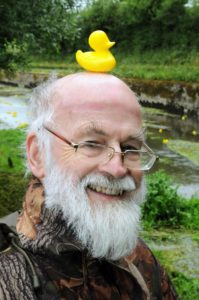
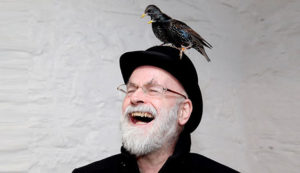
    Pretend you’re writing the author bio for your first novel or short story or poem. You’ll find an author bio in every book and it’s a little known fact that, although the bio is written in the 3rd person, the writer usually has to write it themselves. It can be serious or not so serious. Naturally, I like the funny ones best and I’ve included some of my favourite examples below. Several of them are by Terry Pratchett, because he is the KING of this.

    Sir Terry

    Author bios tend to follow a rough pattern:

    • Write in the third person
    • Be brief (70 words-ish)
    • Don’t be afraid to talk yourself up
    • Explain what you do (e.g. what genre you write, what you’re currently working on)
    • Boast about any publications/prizes (anywhere you’ve been published, e.g. school newspaper, blog, Facebook, in biro on your friend’s maths textbook etc)
    • Where you live/come from, your age, who you live with
    • Your hobbies/quirky facts about you
    • What you’re studying/where you work (especially if it relates to your writing)

    You don’t have to include all of these, you can pick and choose.

    For the purposes of the exercise, you don’t have to be strictly truthful either (we are fiction writers, after all). You could imagine you’re writing this in the future when you’re 30 or 40 or 50 and living in your private submarine while writing movie scripts for an ageing Justin Bieber.

    You can also take your own author photo on your phone to go with your bio!

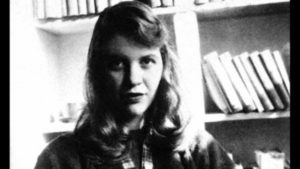
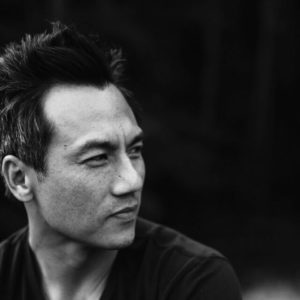
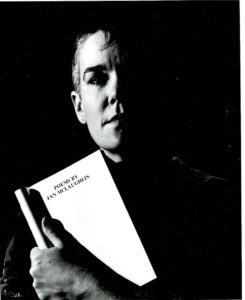
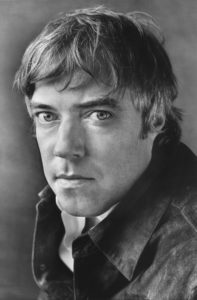
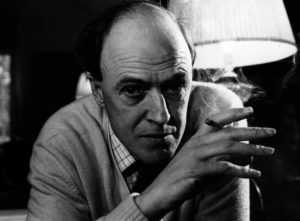
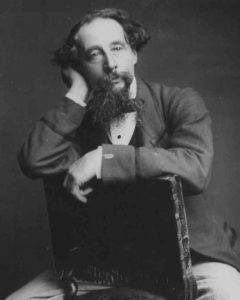
    If possible, an author photo should show how clever and intense you are. Like this one.


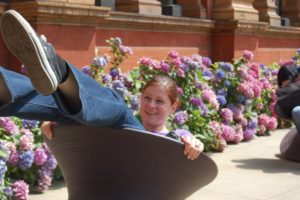
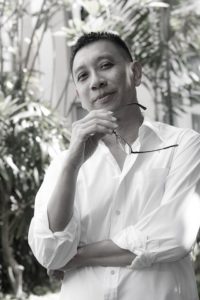
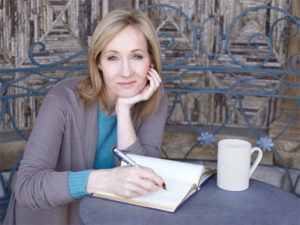
    It should not show that don’t know how to sit in a chair. Like this one.

    Tips: Author photos should, if at all possible, involve –

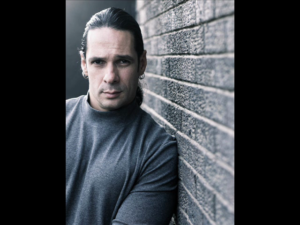
    Brick walls (especially if you’re a man or a crime writer, as this shows how tough you are)

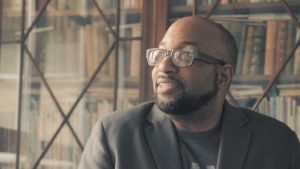
    Walls of books (to prove you can not only write but READ!)

    Staring off into the distance (look how mysterious I am!)

    Moody lighting (because you are edgy, man)

    No smiling! (unless you write comedy)

    Black and white (to show you’re a SERIOUS writer)

    Touching your face (because you’re thinking such big thoughts you have to support the weight of your brain)

    Glasses (I’ve read so much I BROKE MY EYES!)

    A typewriter or other writing tools (in case anyone forgets you’re a writer)

    And don’t forget to look natural!

    You know you’ve made it when you have an author photo of you staring off into the distance AT A BRICK WALL!

    (These seem to be disproportionately men, but honestly, they just have funnier photos.)

    I’m not taking a pop at author photos. It’s an established fact that it’s impossible to take a non-cringeworthy author photo so you may as well have fun with it.

    If you try this, do send me the results, I’d love to see them!

    I’m off to do Christmas now, but I’ll be back in January, and I’ll be starting to arrange visits to schools in Northern Ireland so if you have a writing group you’d like me to come and chat to, please get in touch!

    In the meantime here are some Author Bio Examples:


    • Lemony Snicket was born in a small town where the inhabitants were suspicious and prone to riot. He now lives in the city.  During his spare time he gathers evidence and is considered something of an expert by leading authorities.


    • John Scalzi writes books, which, considering where you’re reading this, makes perfect sense. He’s best known for writing science fiction, including the New York Times bestseller Redshirts, which won the Hugo Award for Best Novel. He also writes non-fiction, on subjects ranging from personal finance to astronomy to film, was the Creative Consultant for the Stargate: Universe television series. He enjoys pie, as should all right thinking people. You can get to his blog by typing the word “Whatever” into Google. No, seriously, try it


    • Michael Siemsen is the USA Today Bestselling author of 6 novels, including The Dig, A Warm Place to Call Home (a demon’s story), and Exigency. He lives in Northern California with “the wife,” “the kids,” “the dog,” “that cat,” and he occasionally wears pants. His latest release, RETURN, is the third book in his #1 bestselling Matt Turner series.


    • APRIL WHITE has been a film producer, private investigator, bouncer, teacher and screenwriter. She has climbed in the Himalayas, survived a shipwreck, and lived on a gold mine in the Yukon. She and her husband share their home in Southern California with two extraordinary boys and a lifetime collection of books. 


    • “Eric Carle invented writing, the airplane, and the internet. He was also the first person to reach the North Pole. He has flown to Mars and back in one day, and was enthusiastically greeted by the Martians. “Very strange beings,” he reported on his return. He has written one thousand highly regarded books; a team of experts is presently attempting to grasp their meaning. “It might take a century,” said the chief expert. Carle is also a great teller of stories — but not all of them are true, for instance those in this book.”


    • “Mindy Kaling lives in rural New Hampshire and does not own a TV.”


    • Adam Silvera was born and raised in the Bronx, New York. He was a bookseller before shifting to children’s publishing where he worked at a literary development company, a creative writing website for teens, and as a book reviewer of children’s and young adult novels. He lives in New York City and is tall for no reason. MORE HAPPY THAN NOT is his debut novel.


    • New York Times bestselling author Angie Fox writes sweet, fun, action-packed mysteries. Her characters are clever and fearless, but in real life, Angie is afraid of basements, bees, and going up stairs when it is dark behind her. Let’s face it. Angie wouldn’t last five minutes in one of her books. Angie is best known for her Southern Ghost Hunter mysteries and for her Accidental Demon Slayer books. Visit her at angiefox.com.


    • Doug Naylor was born in Manchester and educated at Chetham’s Hospital School of Music, where he learnt to play ‘Three Blind Mice’ on the recorder without sheet music or a conductor. Thrown out of Liverpool University in the mid-seventies for drinking too slowly, he became a prawn-and-cockle salesman for twelve months until he could afford to get a dead-end job and concentrate on writing.  His hobbies include reading, philosophy, shouting abuse at Merchant-Ivory films and not smelling of fish.  He has never paid tax.


    • Sebastian Faulks worked as a journalist for 14 years before taking up writing books full time in 1991. He is the author of A Trick of the Light, The Girl at the Lion D’Or, the celebrated Birdsong, The Fatal Englishman and Charlotte Gray.  He lives with his wife and their two children in London.


    • Mandy Sutter is 57 and is a freelance writer and tutor living in Ilkley, where she also makes marmalade (in season) and rustic furniture (at any time). Her publications include Stretching It, a comedy novel and Game, a poetry chapbook.


    • Dave Rudden enjoys cats, adventure and being cruel to fictional children. This is his first novel.


    • Neil Gaiman is the author of over thirty acclaimed books and graphic novels. He has received many literary honours. Born and raised in England, he presently lives in New England and dreams of endless libraries.


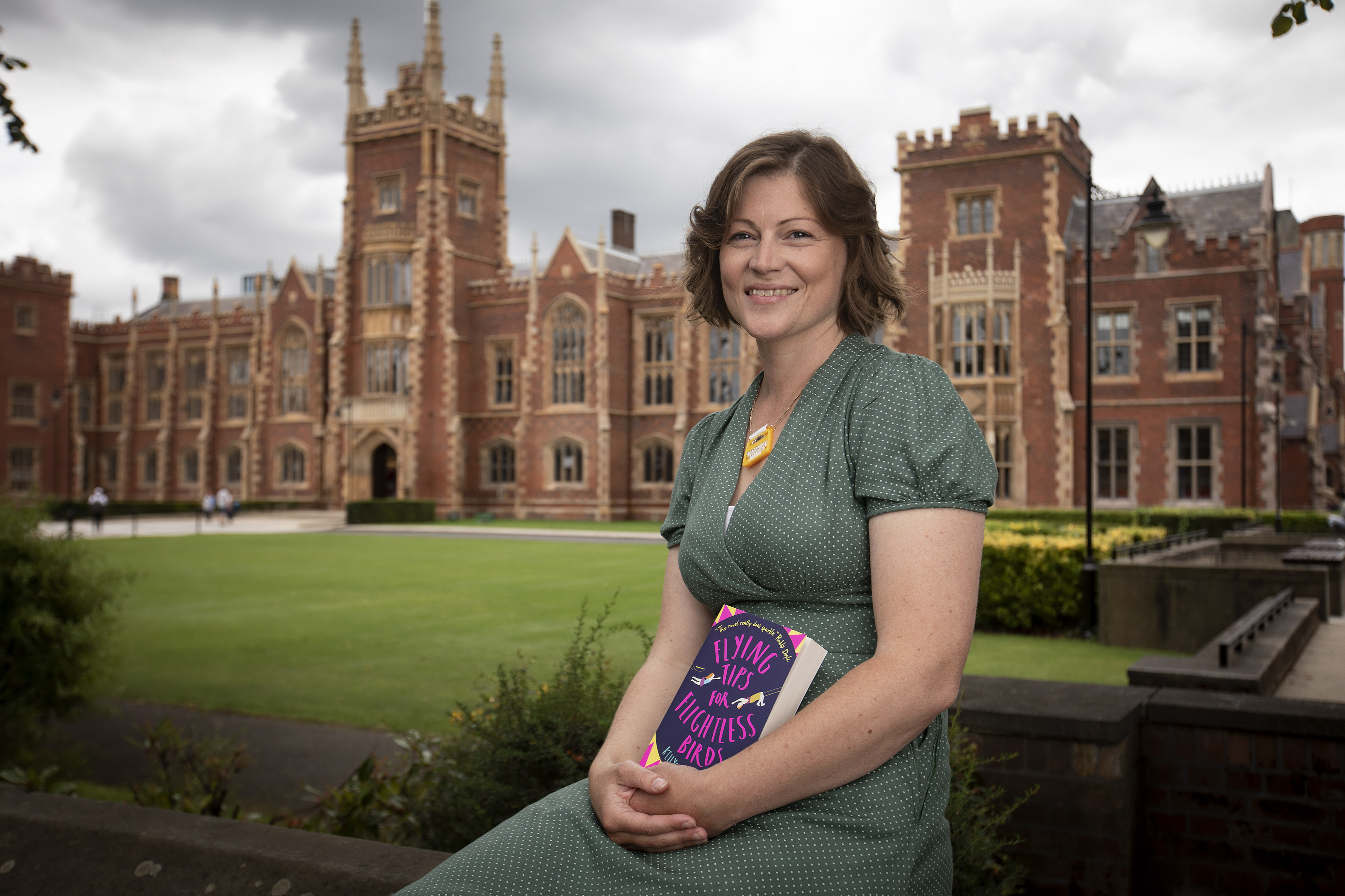
    • Kelly McCaughrain lives in Belfast and is the Children’s Writing Fellow for NI. Her first YA novel, Flying Tips for Flightless Birds, won the CBI Book of the Year and NI Book Awards. When she’s not writing, she volunteers with Fighting Words Belfast, and takes long holidays in her 1967 classic campervan, Gerda, with her 1977 classic husband, Michael.


    • Terry Pratchett is, on average, a sort of youngish middle-aged. He lives in Somerset with his wife and daughter, and long ago chose journalism as a career because it was indoor work with no heavy lifting. Beyond that he positively refuses to be drawn. People never read these biographies anyway, do they? They want to get on with the book, not wade through masses of prose designed to suggest that the author is really a very interesting person.


    • Terry Pratchett was born in 1948 and still is not dead. He started work as a journalist one day in 1965 and saw his first corpse three hours later, work experience meaningsomething in those days. After doing just about every job it’s possible to do in provincial journalism, except of course covering Saturday afternoon football, he joined the Central Electricity Generating Board and became press officer for four nuclear power stations. He’d write a book about his experiences if he thought anyone would believe it. All this came to an end in 1987 when it became obvious that the Discworld series was much more enjoyable than real work. Since then the books have reached double figures and have a regular place in the bestseller lists. He also writes books for younger readers. Occasionally he gets accused of literature. Terry Pratchett lives in Wiltshire with his wife Lyn and daughter Rhianna. He says writing is the most fun anyone can have by themselves.


    • Terry Pratchett lives in the West Country, where he tries to write books in between answering his mail. He lives in constant dread that someone will discover how enjoyable he finds writing, and stop him doing it. He thinks the world could use more orang-utans. The carnivorous plants in the greenhouse are still doing well.


    • Terry Pratchett is fifty and lives behind a keyboard in Wiltshire, where he answers letters in a desperate attempt to find the time to write. He used to grow carnivorous plants, but now they’ve taken over the greenhouse and he avoids going in. He feels it may be time to get a life, since apparently they’re terrible useful.


    • Terry Pratchett is Britain’s bestselling living novelist. He lives behind a (very upmarket) keyboard in Wiltshire and says he doesn’t want to get a life because it feels like he’s already trying to lead three.  He has had a new conservatory built for the carnivorous plants, because they deserved it.


The Blank Page was created by Kelly McCaughrain, Children’s Writing Fellow for NI (2019-2021), as a support and resource for Librarians and Teachers running Creative Writing Groups in post-primary schools.

To read all the posts from the beginning, click here.

Recent Posts