The Blank Page

  • Six Questions To Ask Your Characters

    For me, character is everything in a story, and I generally find that when I’m stuck with my plot, it’s because I don’t know my characters well enough yet. Plot comes from character. People want/hate/fear something and that leads them to do something, and that’s all plot is.

    So when my young writers are stuck on plot, I always tell them to try going back to their characters and finding out more about them. Character interviews are really helpful when you’re first getting to know a new character, and there’s one here you can use, but when you get deeper into the plot it’s helpful to start really interogating a character’s motives.

    I find these 6 Questions To Ask Your Charactersreally useful for that. And you should use them for all the most important characters in your story, not just the main character.

    (Stand by for memes!)

    1. What do they want? – this is the external goal they’re aiming for, eg to win the race, to get the girl, to defeat the monster, to find the buried treasure etc. The antagonist is in the way of this (or, if the character is the antagonist, then the protagonist is in the way). e.g. Darth Vader wants to rule the Galaxy
    2. What do they need? – this is an internal transformation which they may not even be aware that they need, e.g. love, to learn to ask for help, to be their true self, to be less arrogant, to be more confident, to learn to trust someone, to stand up for what’s right, to see their own or someone else’s worth etc. Darth Vader needs to remember he was once a good person
    3. What is the lie they believe? – this is the reason they have to be transformed. E.g. they believe they are worthless, powerless, guilty of something, unlovable etc, or maybe they believe that one person can’t make a difference, that boys don’t cry, that winning/money/popularity is all that matters, or that people can’t be trusted etc. Darth Vader believes that power is all that matters
    4. What is their ‘ghost’ or ‘wound’? – this is something that happened in their past (probably long before this story even started) and it’s the reason they believe the lie. E.g. someone once betrayed them and now they believe that people can’t be trusted, or their parents rejected them and now they feel no one could ever love them, their dad yelled at them for crying and now they think boys shouldn’t show emotion, etc. Darth Vader was once a slave with no power who couldn’t save his mother from slavery so now he believes power is all that matters
    5. What flaw results from their lie? – as a result of their lie they will behave in a certain way, e.g. if they believe people are not trustworthy, they may be hostile and keep people at a distance. If they believe they aren’t worthy of love they may be very shy and try to hide. If they believe winning is everything they may be arrogant and competitive. Darth Vader becomes a power-hungry tyrant and bully
    6. What truth will they discover? – this is the opposite of their lie, and finding it out will transform forever their behaviour and their life. E.g. they discover that there’s more to life than money/popularity, or that they are capable of making a difference or being brave etc. Once they know this truth, it will help them to fix their flaw and either achieve their original goal (their ‘want’) or see that they don’t need it after all. Darth Vader discovers that his son’s life matters more to him than power (so he stops being a bully and gives up his original power-hungry goal by killing the Emperor)
    By the time you’ve done this for your main characters, you’ll be bursting with new ideas for your plot!



  • School’s Out!

    I think all the NI schools are wrapping up now so I’d just like to say a massive well done to everyone for getting through this absolute melter of a year!

    I do hope your writing groups have provided some relief/entertainment/therapy/comradeship and above all inspiration through all that’s happened. My Fellowship is coming to an end and I’m so glad I set this up online because I’ve loved hearing what you’re up to via Twitter and it’s been a joy to be able to connect and share here when we’ve had to be so distant.

    I wish I’d got to meet more of you in person but it just makes me so happy to think there are new writing groups and new writers out there. It’s all been about spreading the message that anyone can run a writing group and anyone can write. We all have permission to write and we all have something worth saying. And the time we devote to creativity is valuable in immeasurable ways. Thank you SO SO much for taking that message and running with it!

    I will keep posting anything I find that might be of interest to young writers next year so I hope the blog will continue to be a useful resource for new and existing writing groups. Please do pass on the details to anyone you know who might like to set up a group. I guarantee there is a young person out there to whom these groups and your efforts will mean the world.

    And I will of course continue to be a writing mentor with Fighting Words. Our online Write Club group has been going so well that we will probably continue an online version even after the pandemic. I love that it’s allowed kids who live too far away to attend our regular Write Club to come along. We’ll be there over the summer too so do tell your young writers about us, they’re very welcome to join.

    Last week Write Club went on a virtual field trip to Fighting Words in Dublin for a Q&A with none other than Roddy Doyle! He had a wealth of tips and advice to share so I jotted down a few of my favourites to share with you:

    • Your characters don’t have to be likable, they just have to be real.
    • It’s all about the words! And we own the words already so don’t be daunted.
    • Characters stay with you when plots don’t.
    • Inspiration hits when you’re writing so be at your desk waiting for it.
    • Some days are rubbish and that’s OK.
    • Live through the doubts. Keep at it. Add words.
    • Get into good habits. Writing every day creates momentum.
    • Try out all your ideas and see where they go. It doesn’t matter if some of them don’t go anywhere.
    • Deleting stuff is satisfying. Once you’ve got loads written, deleting a big chunk can be a good day’s work.
    • Comedy and tragedy go together. Neither means anything without the possibility of the other.
    • Be kind to yourself. Do whatever makes it easier for yourself.
    • There’s a hidden artist in every headcase. It takes a lot of creativity to be a header.

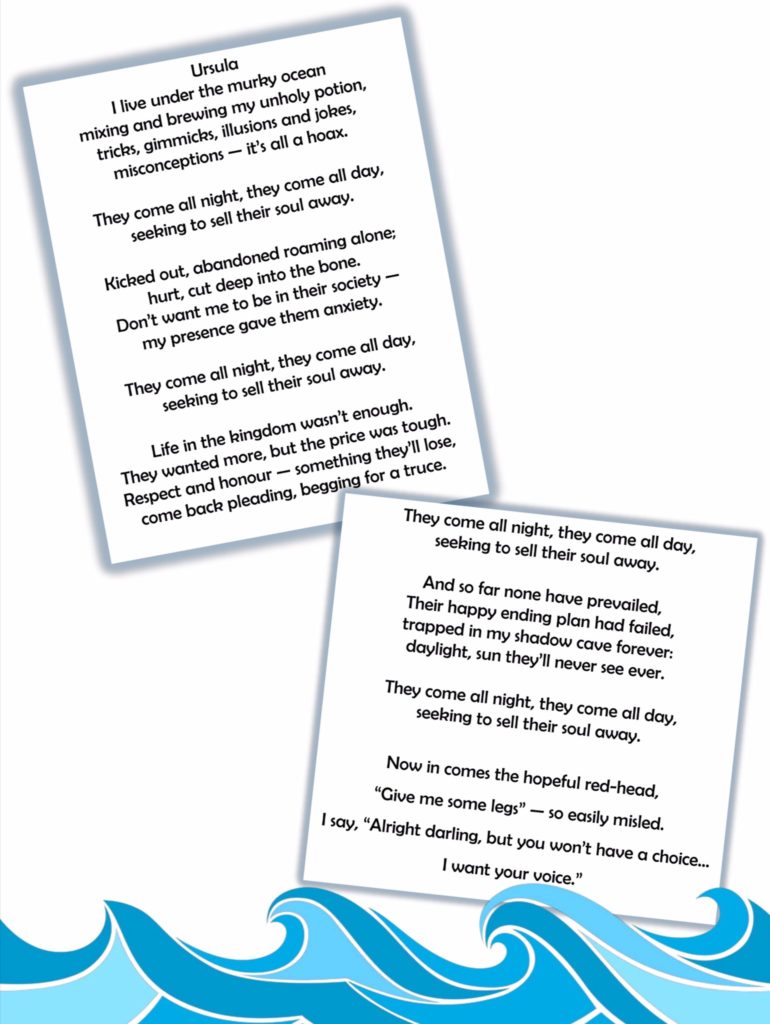
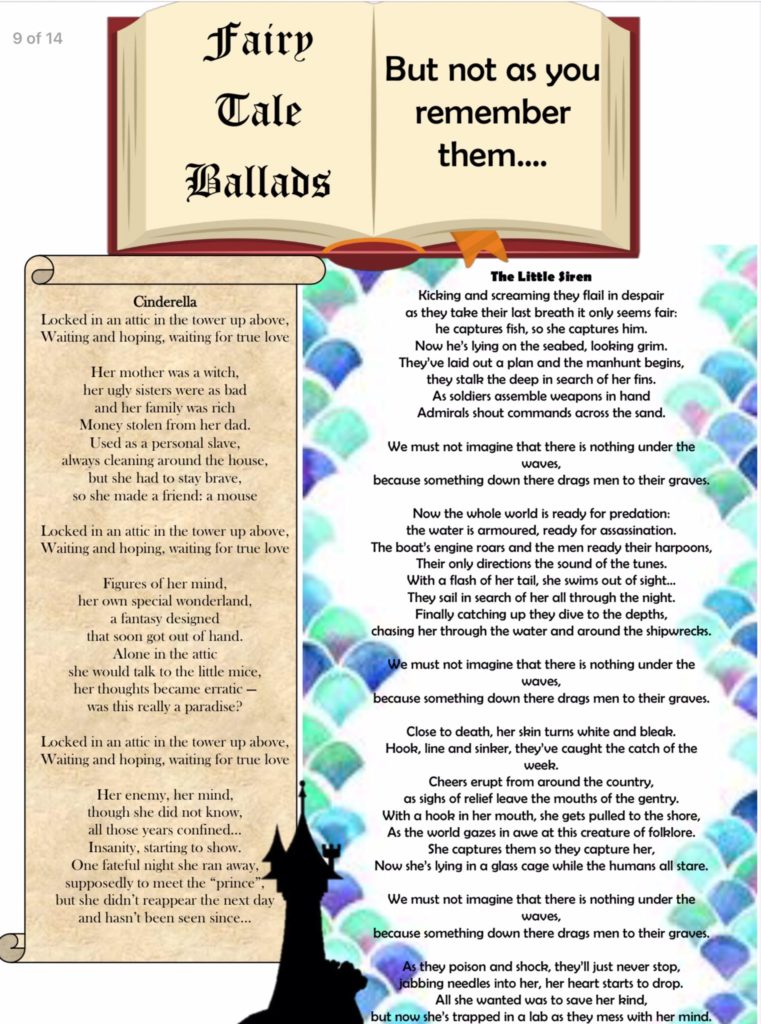
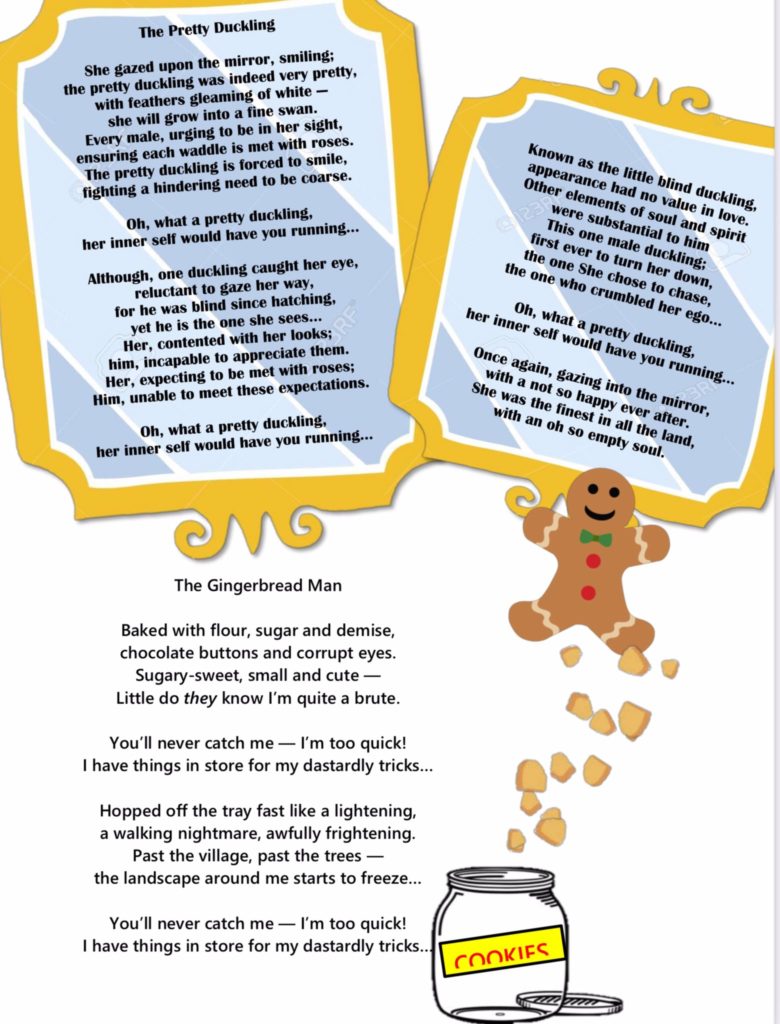
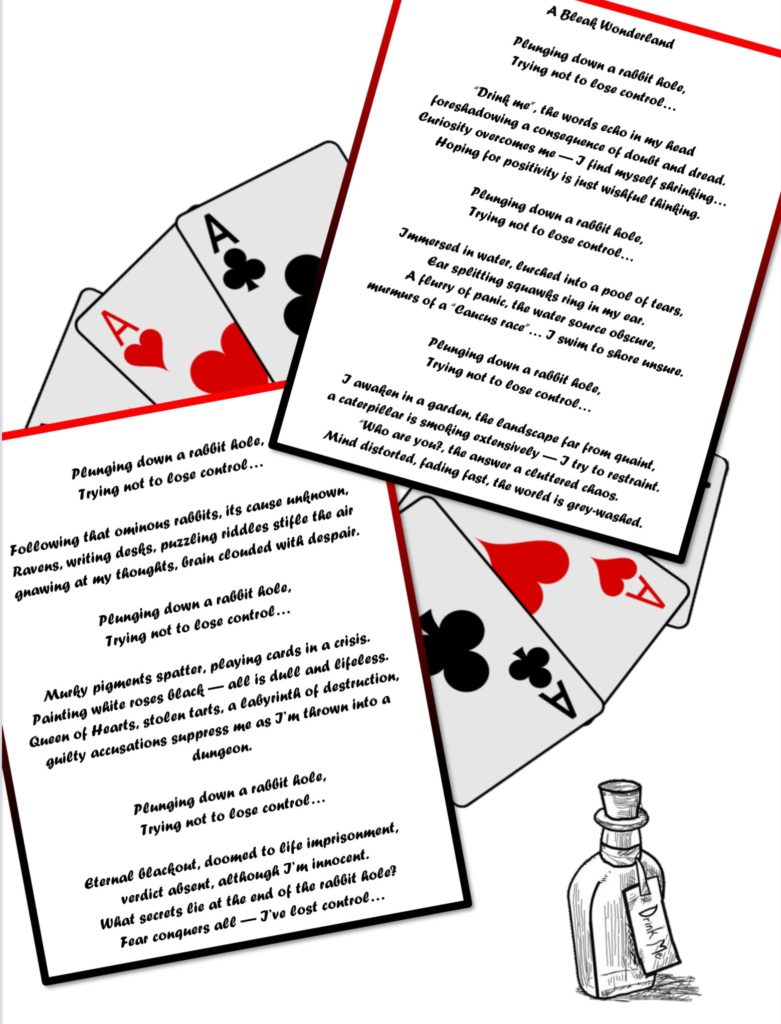
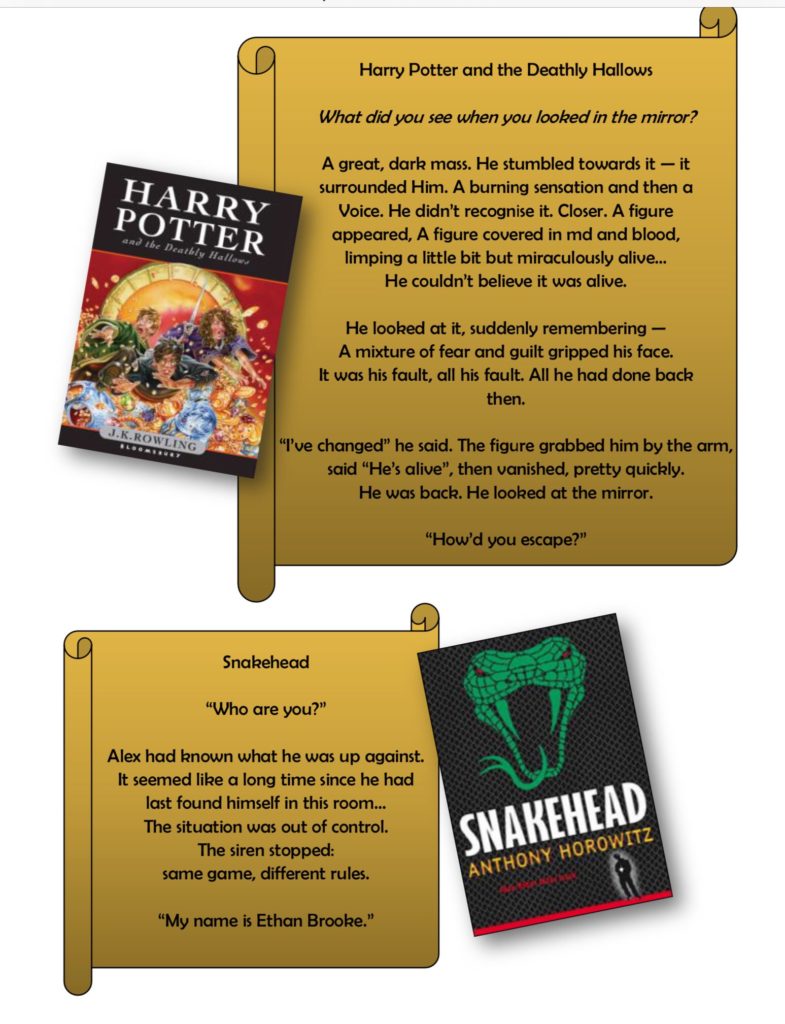
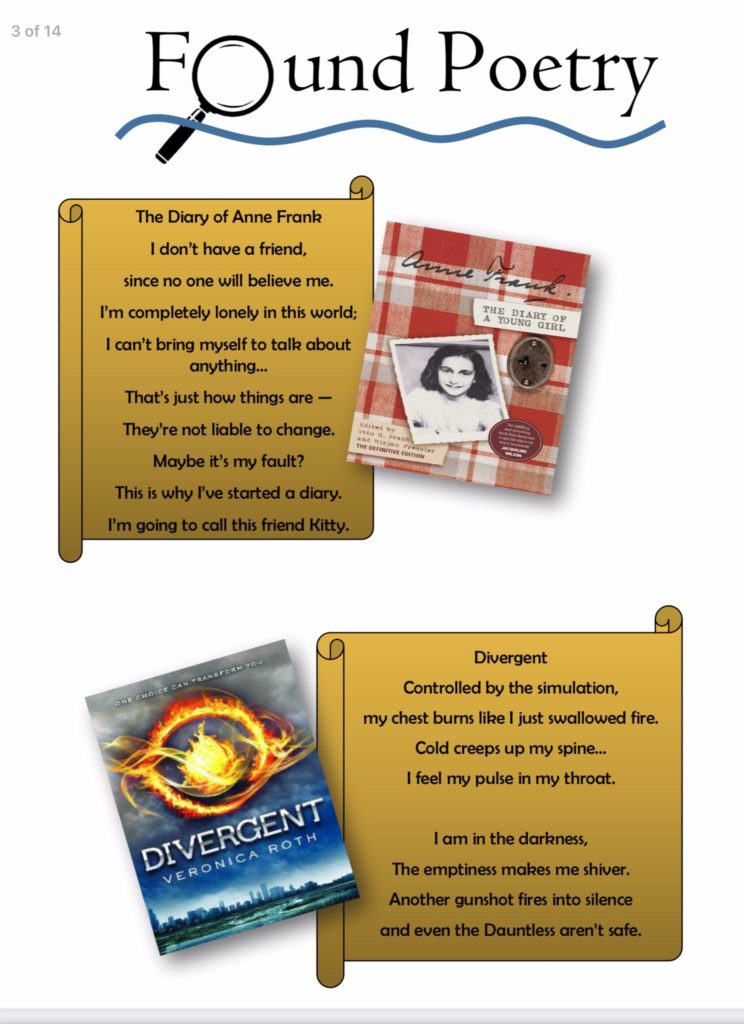
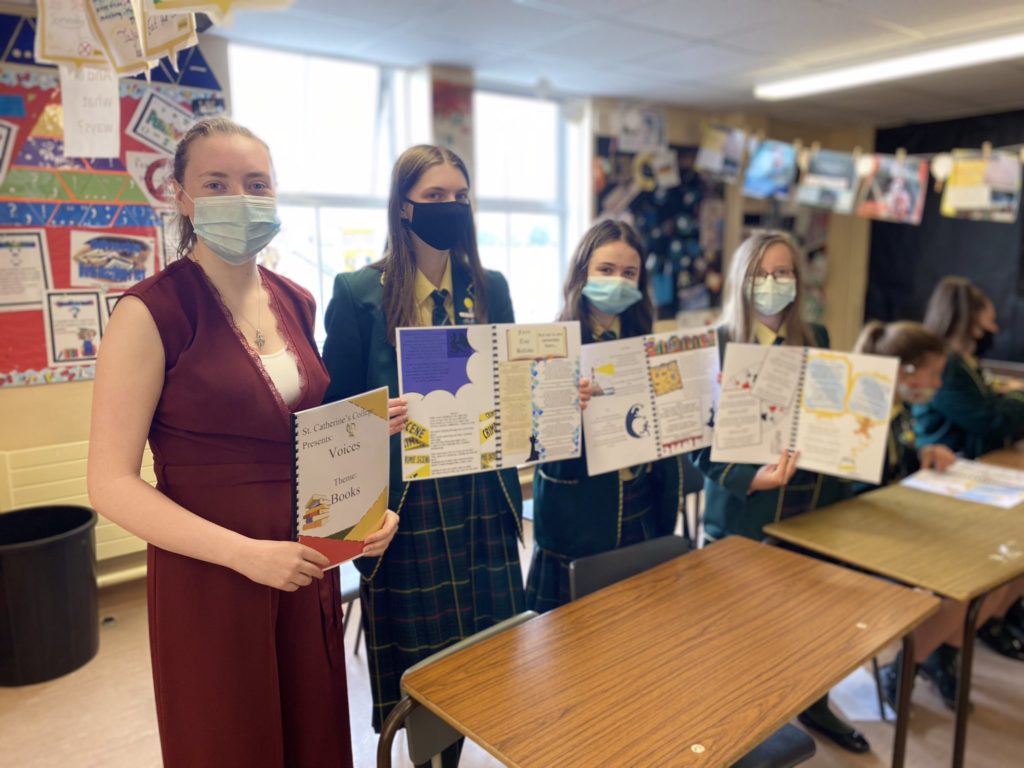
    As a final writing prompt, I’m going to steal an idea from St Catherine’s Armagh. Massive kudos to St Catherine’s, who started a writing group with one of the Blank Page resource packs I sent out at the beginning of my Fellowship. Working with past pupil, Amy (who sounds like an absolute gem!), for their Year 10 Poetry Anthology (they have a Year 10 Poetry Anthology! How cool!) they used their favourite books and fairy tales as prompts to create their poems. What a fab idea. And aren’t they amazing! I’ll post their Twitter pics below so you can have a read.

    I’m so impressed with these. This might be a great idea to try with your own group! As their teacher says, “Blank pages no more!”

    Fitting words to end on! So thank you thank you thank you for being here this year, for putting up with my memes…

    …and I hope everyone has the most amazing (and well deserved) summer ever!

    Thanks St Catherine’s for this lovely end to the year at The Blank Page!…


  • Writing with Jenna Moreci

    Just updating with a link to a writing tips YouTube channel – Writing with Jenna Moreci. I was told about this by a teen in my writing group who’s found it really helpful.

    Jenna Moreci is an American YA dark fantasy and sci-fi writer and she makes short (and hilarious) videos about loads of different aspects of writing. They’re really very funny and entertaining as well as informative. (Some adult language and content so this is maybe for older teens, or if in doubt check them out yourself first).

    Eg:

    These are great tea-break fodder and might be good for your writing group to use over the summer to keep them inspired! Check them out!


The Blank Page was created by Kelly McCaughrain, Children’s Writing Fellow for NI (2019-2021), as a support and resource for Librarians and Teachers running Creative Writing Groups in post-primary schools.

To read all the posts from the beginning, click here.

Recent Posts